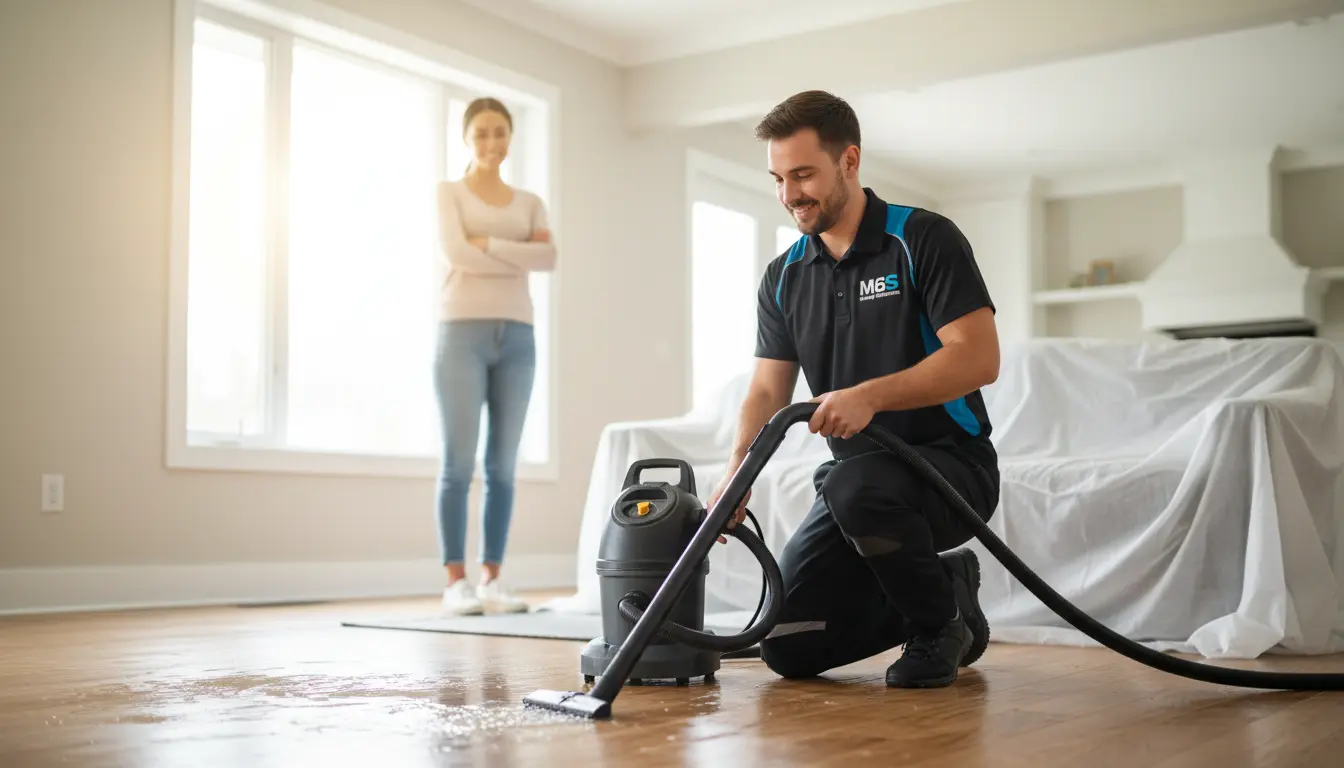
As the storm clouds gathered over Toronto, Sarah’s world was turned upside down – literally. Her basement, once a cozy haven, was now a flooded disaster zone, threatening the very foundations of her home. The aftermath of the storm brought a daunting reality: the need for professional damage restoration. In M6S, where seasonal storms and harsh winters can wreak havoc on properties, it’s crucial to know what questions to ask before hiring damage restoration contractors. The right questions can mean the difference between a successful restoration and a prolonged, costly nightmare.
The first step in navigating the complex world of damage restoration is understanding the importance of professional, IICRC-certified services. In Toronto, where the combination of heavy rainfall and aging infrastructure can lead to frequent water damage incidents, hiring a reputable contractor is not just a preference, but a necessity. M6S Damage Restoration, with its team of experts and state-of-the-art equipment, stands out as a premier choice for emergency response and restoration needs in the area.
Before diving into the specifics of what questions to ask, it’s essential to grasp the technical process involved in damage restoration. A professional restoration workflow typically begins with an emergency assessment, followed by water extraction, debris removal, antimicrobial application, structural drying, and final moisture verification. Each step requires specific tools and a deep understanding of the science behind them, including psychrometrics, the study of the relationship between air and water vapor. In Toronto, where outdoor dew points and regional humidity levels can significantly impact drying strategies, choosing a contractor who understands these local variables is vital.
Understanding the Technical Process
A key component of the restoration process is the use of specialized equipment, such as LGR dehumidifiers and axial air movers. These tools are selected based on their ability to efficiently manage vapor pressure differentials and moisture evaporation rates, ensuring that the drying process is both effective and safe. Moreover, the application of antimicrobial treatments, as opposed to bleach-based cleaning, is a critical step in preventing the growth of harmful microorganisms and ensuring the health and safety of occupants.
In Toronto, where environmental conditions can fluctuate significantly, the ability to adapt restoration strategies to these changes is paramount. For instance, understanding how regional humidity dictates the chosen drying strategy and equipment load can make a significant difference in the success of the restoration. By choosing a contractor who is well-versed in these nuances, homeowners can ensure that their property is restored to its pre-loss condition with the utmost care and precision.
Data Comparison
When considering the efficacy of different restoration approaches, it’s helpful to compare key metrics. The following table highlights the differences between professional structural drying and natural evaporation, as well as antimicrobial treatment versus bleach-based cleaning:
| Feature/Metric | Professional Structural Drying | Natural Evaporation |
|---|---|---|
| Secondary Damage Risk | Low | High |
| Microbial Suppression | Effective | Ineffective |
| Dry Standard Success | High | Low |
Source: IICRC S500 Reference Guide for Professional Water Damage Restoration
Expert Insights
For those navigating the complex world of damage restoration, several expert tips can make all the difference. Firstly, understanding the concept of “balanced drying” – which involves managing temperature, humidity, and air movement to facilitate efficient evaporation – is crucial for a successful restoration. Secondly, identifying hidden moisture pockets, such as those behind baseboards, is essential for preventing secondary damage and mold growth. Lastly, the importance of negative air pressure in containing and removing contaminants cannot be overstated, particularly in homes with occupants who have compromised immune systems.
On the other hand, common mistakes homeowners make include turning off dehumidifiers prematurely, failing to address Category 3 water properly, and ignoring the potential for mold within 24-48 hours. These mistakes can lead to severe consequences, including structural rot, health issues, and significant financial burdens. By being aware of these pitfalls and taking proactive steps, homeowners can ensure a smoother, more effective restoration process.
Pricing Considerations
When it comes to pricing, several factors come into play, including emergency service call fees, daily equipment rental rates, and per-square-foot restoration costs. The category of water contamination, the class of water intrusion, and the accessibility of the affected structural cavities all influence the final cost. For instance, a restoration project involving Category 3 water (sewage or contaminated water) will typically be more expensive than one involving clean water, due to the need for specialized equipment and protocols to ensure safety and prevent health risks.
Safety and Standards
Safety is paramount in damage restoration, and adherence to specific certifications, such as those offered by the IICRC, and OSHA safety protocols is essential. The use of EPA-registered, hospital-grade botanicals or non-toxic disinfectants is also critical, particularly in households with pets, children, or occupants with compromised immune systems. By choosing a contractor who prioritizes these standards, homeowners can ensure that their property is not only restored but also safe for occupancy.
Frequently Asked Questions
What is the first step in the damage restoration process?
The first step in the damage restoration process is typically an emergency assessment, which involves evaluating the extent of the damage and identifying the necessary steps for restoration. This assessment is critical in determining the best course of action and ensuring that the restoration process is both effective and safe.
How long does the restoration process usually take?
The length of the restoration process can vary significantly depending on the extent of the damage, the type of water involved, and the size of the affected area. In general, a professional restoration contractor will be able to provide a more accurate timeline after conducting an initial assessment.
What is the difference between Category 1, 2, and 3 water?
The category of water refers to the level of contamination present. Category 1 water is considered clean and poses little risk, while Category 2 water is contaminated and requires special handling. Category 3 water, which includes sewage or contaminated water, poses significant health risks and requires immediate attention and specialized protocols for safe removal and restoration.
Can I perform the restoration myself, or do I need to hire a professional?
While it may be tempting to attempt a DIY restoration, hiring a professional contractor is highly recommended. Professional contractors have the necessary training, equipment, and experience to ensure that the restoration is done safely, effectively, and efficiently, minimizing the risk of secondary damage and health issues.
Conclusion
In conclusion, when it comes to damage restoration in M6S, knowing what questions to ask before hiring a contractor is crucial. By understanding the technical process, the importance of professional certifications, and the factors that influence pricing, homeowners can make informed decisions and ensure that their property is restored to its pre-loss condition with the utmost care and precision. M6S Damage Restoration, with its team of experts and commitment to safety and standards, stands out as a premier choice for emergency response and restoration needs in Toronto.
For those facing the daunting task of restoring their property after a disaster, the key to success lies in choosing a contractor who is not only technically proficient but also responsive, reliable, and dedicated to delivering exceptional results. By prioritizing these qualities and taking a proactive approach to restoration, homeowners can navigate the complex world of damage restoration with confidence and ensure that their property is not only restored but also safe and secure for years to come.
Visit M6S Damage Restoration today to learn more about our services and how we can help you restore your property to its pre-loss condition. Whether you’re dealing with water damage, mold remediation, or fire and smoke damage, our team of experts is here to provide you with the guidance, support, and technical expertise you need to navigate the restoration process with ease and confidence.