
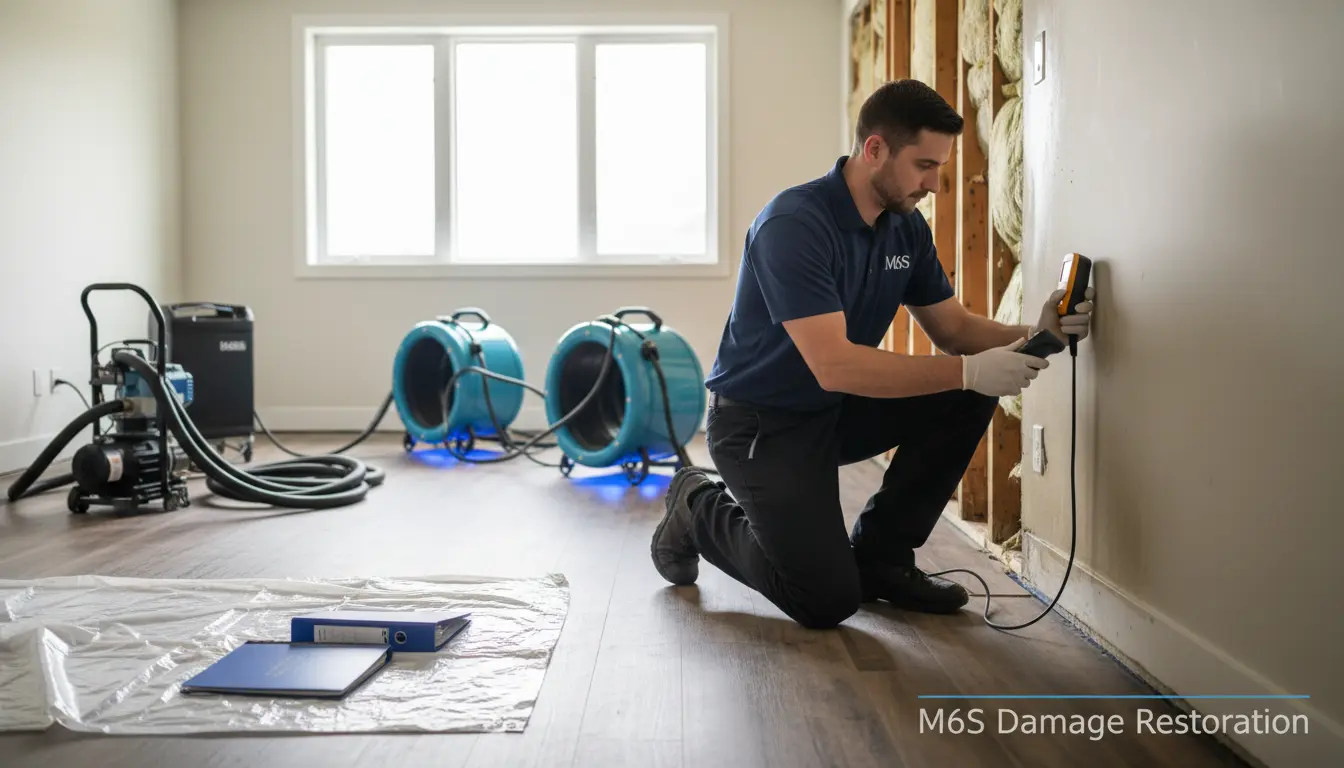
Imagine waking up to a flooded basement in your Toronto home after a heavy rainstorm. The panic sets in as water seeps into your walls and soaks your belongings. As a homeowner in Ontario, one of the first questions on your mind is: does my insurance cover this? Water damage is a common issue in our region, especially with Toronto’s unpredictable weather and aging infrastructure. At M6S Damage Restoration, we’ve helped countless residents navigate these stressful situations. In this guide, we’ll break down everything you need to know about insurance coverage for water damage in Ontario, with practical advice tailored for Toronto-area properties. Whether you’re in Yorkville or Scarborough, understanding your policy can save you time, money, and headaches.
Understanding Water Damage and Insurance Basics in Ontario
Water damage can strike unexpectedly, from burst pipes in winter to sewer backups during summer storms. In Ontario, home insurance policies typically fall into two categories: basic (named perils) and comprehensive (all-risk) coverage. Basic policies cover specific events like fire or theft, while comprehensive ones protect against a broader range of risks, excluding only what’s explicitly stated.
Types of Water Damage Covered by Insurance
Not all water damage is created equal. Here’s a quick overview:
- Sudden and Accidental Damage: This is often covered. For example, a pipe bursting due to freezing temperatures in your Leaside home would likely qualify under comprehensive policies.
- Flooding from External Sources: Overland flooding or river overflow is usually excluded from standard policies. In Toronto, where the Don River can swell after heavy rains, you might need separate flood insurance through the government-backed program.
- Sewer or Water Main Backups: These can be covered with an optional endorsement. If your Roncesvalles property experiences a backup due to clogged city drains, check for this add-on.
Pro tip: Review your policy’s declarations page for exclusions. Ontario’s Insurance Act requires clear disclosure, but jargon can be confusing—consider consulting a professional for insurance claim assistance.
Key Factors Affecting Coverage in Toronto
Toronto’s urban environment adds unique challenges to water damage claims. High-rises in downtown areas face risks from shared plumbing systems, while suburban homes in Oakville might deal with groundwater issues. Insurers in Ontario assess claims based on several factors:
Policy Exclusions and Limitations
Common exclusions include gradual leaks (like from a poorly maintained roof) or damage from neglect. If your water damage results from an unsealed window during a storm, it might not be covered. Always document maintenance records to strengthen your claim.
Deductibles and Payout Limits
Ontario policies often have deductibles ranging from $500 to $5,000 for water damage. Comprehensive coverage might cap payouts at $10,000–$50,000 per incident, depending on your home’s value. For extensive damage, like in a condo in Yorkville, you may need to tap into strata insurance if applicable.
Local reference: Toronto’s building codes emphasize moisture barriers, but older homes (pre-1980s) in areas like Scarborough are prone to hidden leaks. Early detection is key—our moisture detection services can identify issues before they escalate.
Practical Tips for Filing a Water Damage Claim
Don’t let a water emergency overwhelm you. Follow these actionable steps to maximize your insurance coverage:
-
Act Quickly: Mitigate further damage immediately. In Ontario, insurers expect you to take reasonable steps, like shutting off the water supply or using tarps for roof leaks. Delaying can void your claim.
-
Document Everything: Take photos and videos of the damage, from soaked carpets in your living room to warped hardwood floors. Note the date, time, and cause. For Toronto residents, apps like HomeZada can help organize this digitally.
-
Contact Your Insurer Promptly: Report the incident within 24–48 hours. Provide a detailed description—e.g., "Sudden pipe burst in basement due to freezing temperatures." Ask about temporary accommodations if your home is uninhabitable.
-
Hire Professionals: Avoid DIY fixes that could worsen the situation. At M6S Damage Restoration, we specialize in flood damage assessment to provide insurers with accurate reports, boosting your claim’s success rate.
-
Keep Receipts: Track all restoration costs. Whether it’s drying equipment rental or structural repairs, these support your reimbursement request.
Bonus advice for Toronto: If damage affects shared walls in a multi-unit building, notify your landlord or condo board right away. Ontario’s Condominium Act outlines shared responsibilities.
Common Challenges and How to Overcome Them
Filing a claim isn’t always straightforward. Here are hurdles Toronto homeowners face and solutions:
Denied Claims Due to Wear and Tear
Insurers may deny coverage if damage stems from gradual deterioration. Solution: Schedule regular inspections. Our team offers preventive checks to catch issues early, especially in humid Ontario summers.
Disputes Over Cause of Damage
Was it a storm or poor maintenance? Get an independent assessment. We provide unbiased flood damage assessment reports that align with Ontario’s standards.
Delays in Payouts
Claims can take weeks. To speed things up, submit a detailed inventory list using templates from the Insurance Bureau of Canada (IBC). For complex cases, like full reconstruction projects after severe flooding, partner with experts who coordinate with adjusters.
In Toronto’s fast-paced environment, time is money. We’ve seen claims processed in under two weeks when documentation is thorough.
FAQ: Water Damage Insurance in Ontario
1. Does renter’s insurance cover water damage in Toronto apartments?
Yes, but only for your personal belongings and temporary relocation. Building structure is the landlord’s responsibility. Check for water backup endorsements, common in high-density areas like downtown Toronto.
2. What if water damage affects my documents or valuables?
Standard policies cover contents, but specialized recovery might be needed. Explore our document recovery methods to salvage important papers without voiding your claim.
3. How much does flood insurance cost in Ontario?
Through the federal program, it’s about $500–$1,000 annually, depending on risk. Toronto properties near ravines qualify if not in high-risk zones.
4. Can I claim for mould growth after water damage?
Mould remediation is often covered if it results from a covered peril, but only within the first 30–60 days. Act fast to prevent health risks in Ontario’s damp climate.
5. Who handles insurance for condo owners in areas like Roncesvalles?
Your strata policy covers common elements; personal insurance handles interiors. Coordinate with your board for seamless claims.
Conclusion: Protect Your Toronto Home Today
Water damage in Ontario can be devastating, but knowing your insurance coverage empowers you to respond effectively. From understanding policy nuances to filing a strong claim, preparation is your best defence. At M6S Damage Restoration, we’re here to support Toronto residents with reliable, compassionate service. Whether you need immediate flood damage assessment or long-term reconstruction projects, our team has you covered.
Don’t wait for disaster to strike. Review your policy now and contact M6S Damage Restoration at (437) 524-9928 for a free consultation. Safeguard your home in Yorkville, Scarborough, or beyond—peace of mind starts with a call.