
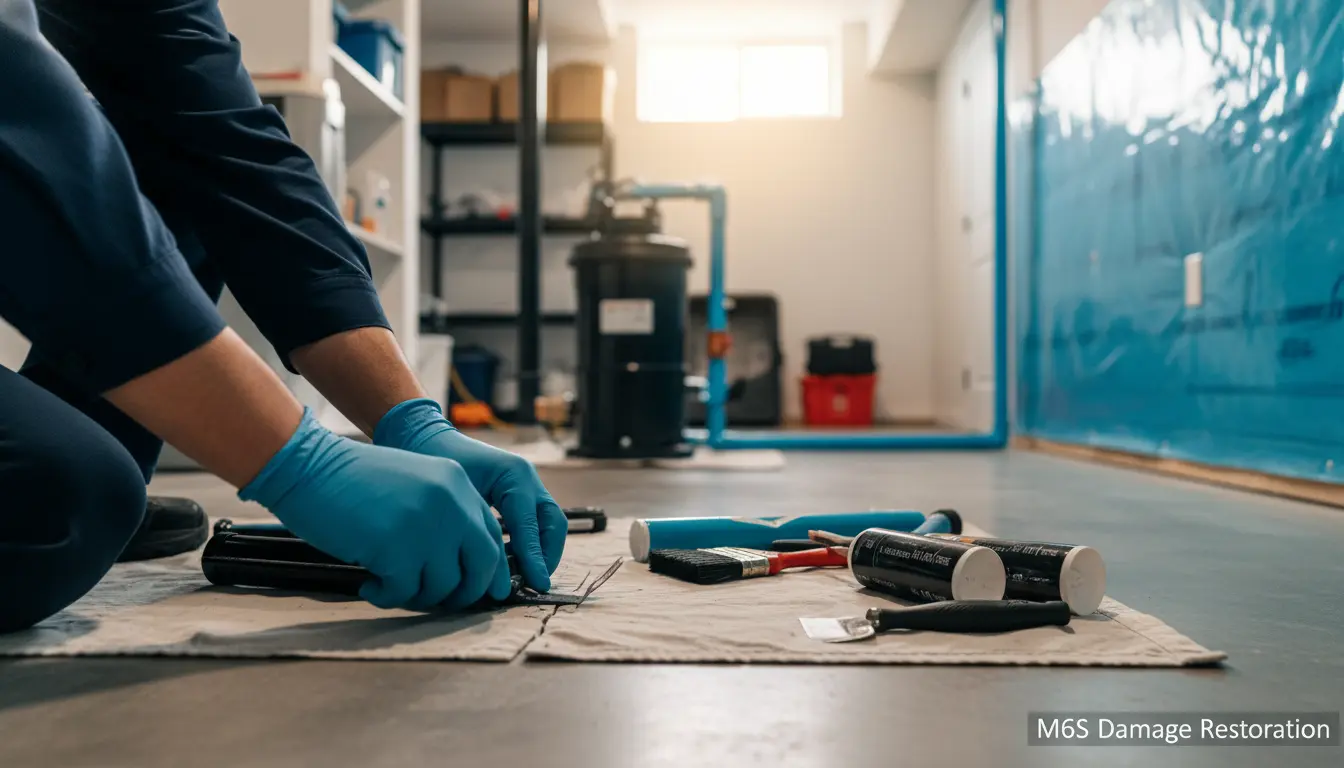
Living in the Greater Toronto Area (GTA) means enjoying vibrant city life, from the bustling streets of Downtown Toronto to the serene vibes of The Beaches. But with Toronto’s unpredictable weather—think heavy spring rains and intense summer storms—basement flooding is a real threat to homeowners. A single flood can lead to costly water damage, mould growth, and structural issues. At M6S Damage Restoration, we’ve helped countless residents in Scarborough and beyond restore their properties after water mishaps. In this ultimate guide, we’ll arm you with practical, actionable advice to prevent basement flooding and keep your home safe and dry.
Whether you’re in West Hill or Malvern, understanding local risks is key. Toronto’s clay-heavy soil and aging infrastructure amplify flooding dangers, but with the right strategies, you can minimize them. Let’s dive in.
Understanding Basement Flooding Risks in the GTA
Basement flooding isn’t just an inconvenience—it’s a potential catastrophe. In Toronto, the combination of heavy rainfall, melting snow, and overwhelmed sewers creates perfect storm conditions for water intrusion.
Common Causes of Basement Floods
- Heavy Rainfall and Poor Drainage: Toronto’s frequent downpours can overwhelm gutters and downspouts, directing water straight to your foundation.
- Sewer Backups: Aging municipal sewers in areas like Scarborough often back up during storms, pushing sewage into basements.
- Foundation Cracks and Leaks: Settling soil or poor construction can create entry points for water.
- Frozen Pipes: Harsh Canadian winters lead to burst pipes, especially in older homes.
- High Water Table: In low-lying GTA neighbourhoods, groundwater can rise and seep through floors.
According to Toronto’s flood management reports, over 1,000 basements flood annually in the city alone. Don’t wait for the next big rain—proactive prevention is your best defence.
Essential Prevention Steps for Your Toronto Basement
Preventing floods starts with simple, cost-effective measures. Here’s how to fortify your home against GTA’s watery woes.
1. Improve Exterior Drainage
Your home’s first line of defence is how water flows away from it. Ensure downspouts extend at least 2 metres from the foundation, directing water to storm drains or a rain garden. In Toronto’s urban settings, where space is tight, consider installing French drains or grading your yard to slope away from the house.
Actionable Tip: Clean gutters twice a year—once in spring and once in fall—to prevent clogs from leaves and debris common in areas like The Beaches. If you’re dealing with persistent issues, professional grading can make a world of difference.
2. Install and Maintain a Sump Pump
A reliable sump pump is a must-have for GTA basements. It collects water in a pit and pumps it outside before it floods your space.
Choosing the Right One: Opt for a battery backup model to handle power outages during storms. Pedestal pumps work well for shallow basements, while submersible ones suit deeper setups.
Maintenance Advice: Test your pump monthly by pouring water into the pit. Replace the battery annually, and schedule professional inspections every two years. At M6S Damage Restoration, we often see failed pumps as the culprit in sewage backup cleanup jobs.
3. Seal Cracks and Waterproof Your Foundation
Water sneaks in through tiny cracks. Inspect your basement walls and floor for fissures, especially after earthquakes or heavy rains.
DIY Fixes: Use hydraulic cement for small cracks under 1/4 inch wide. For larger ones, apply a waterproof sealant like polyurethane membrane.
Pro Tip: In Toronto’s variable climate, exterior waterproofing—applying a sealant to foundation walls—is highly effective. If you’re in an older home in Malvern, consider consulting experts for a full assessment to avoid future emergency water extraction needs.
4. Backwater Valves and Sewer Line Protection
Sewer backups are a top cause of GTA floods. Installing a backwater valve prevents sewage from flowing back into your home.
What to Know: These valves are mandatory in new Toronto builds and retrofits for high-risk areas. They close automatically during backups.
Local Insight: With Toronto’s combined sewer system straining under climate change, check if your neighbourhood qualifies for city rebates on installations. Regular sewer line cleaning every 1-2 years keeps things flowing smoothly.
Advanced Strategies for Long-Term Protection
For homeowners serious about flood-proofing, go beyond basics with these advanced tactics.
Upgrading Your Plumbing System
Older pipes in GTA homes, especially in West Hill’s post-war bungalows, are prone to bursts. Insulate exposed pipes to prevent freezing, and consider PEX piping for its flexibility and resistance to cold snaps.
Smart Tech Integration: Install water leak detectors connected to your phone. These alert you to issues before they escalate, saving you from extensive mold remediation experts services.
Landscaping for Flood Resistance
Strategic planting can channel water away. Native GTA plants like switchgrass absorb excess moisture without deep roots that damage foundations.
Design Ideas: Create swales (shallow ditches) to direct runoff. In urban spots like Downtown Toronto, permeable pavers for driveways allow water to infiltrate rather than pool.
Insurance and Emergency Preparedness
Review your home insurance for flood coverage—standard policies often exclude it. Add a rider for sewer backups, common in the GTA.
Prep Kit Essentials: Keep sandbags, a wet vac, and tarps on hand. Know your home’s shut-off valve location for quick action during storms.
If disaster strikes, M6S Damage Restoration offers insurance claim assistance to ease the process. We’re available 24/7 at (437) 524-9928.
FAQ: Basement Flooding Prevention in Toronto
What should I do if my basement floods?
Act fast: Shut off utilities, remove valuables, and call professionals like M6S Damage Restoration for immediate extraction to prevent mould.
How often should I inspect my sump pump?
Monthly testing is ideal, with professional servicing annually, especially before Toronto’s rainy season.
Are backwater valves required in all GTA homes?
Not all, but they’re recommended and often subsidized in flood-prone areas like Scarborough. Check with Toronto’s building department.
Can I prevent flooding from heavy Toronto rains?
Yes, through better drainage, sealing, and pumps. For persistent issues, our team provides tailored solutions.
What if I smell musty odours after a minor leak?
This signals hidden moisture. Explore our odour elimination techniques to address it promptly and avoid health risks.
Conclusion: Stay Dry and Secure in the GTA
Basement flooding doesn’t have to disrupt your Toronto lifestyle. By implementing these prevention strategies—from sump pumps and drainage upgrades to sealing and smart monitoring—you can protect your investment and peace of mind. Remember, the GTA’s weather is as dynamic as its communities, so stay vigilant.
At M6S Damage Restoration, we’re your local experts serving all of Toronto and the surrounding areas. If you’re ready to assess your home’s flood risks or need restoration after an incident, contact us today at (437) 524-9928. Let’s keep your basement flood-free together!