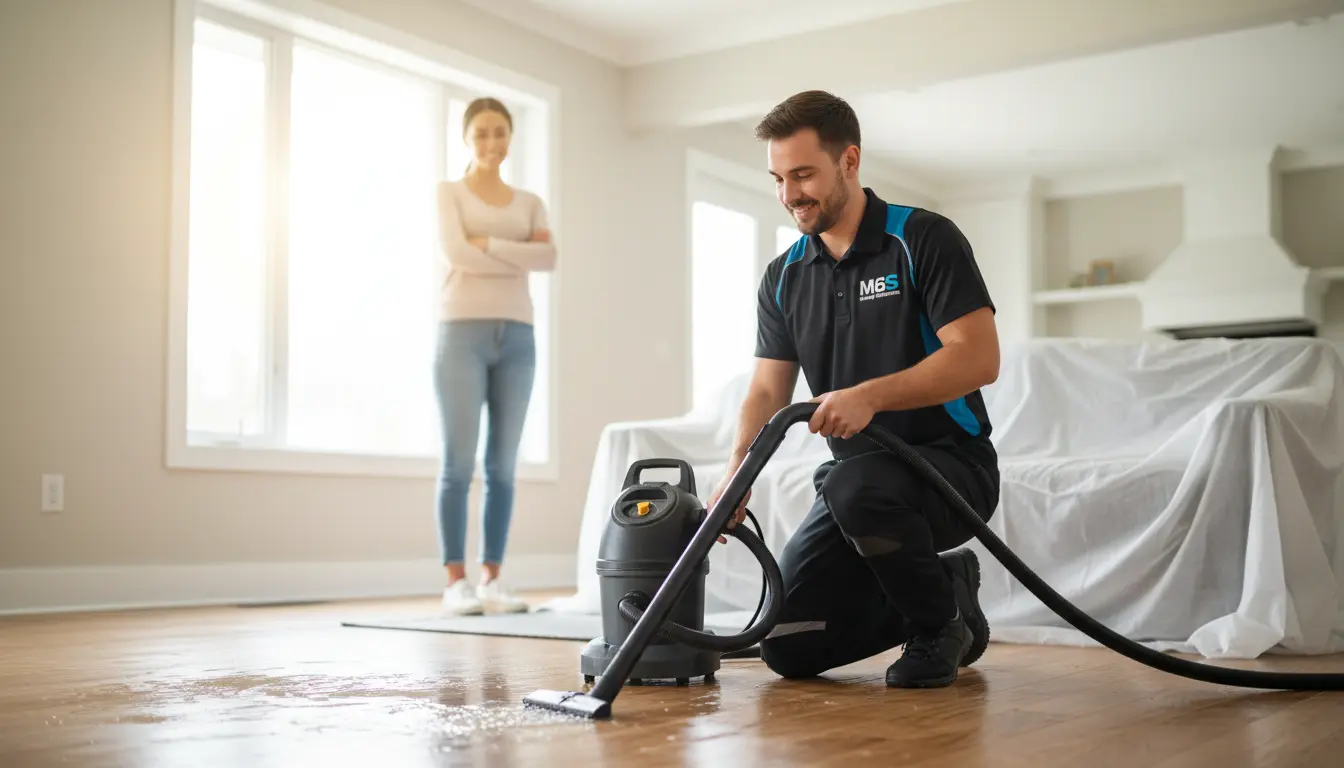
As a homeowner in Toronto, you’re likely no stranger to the devastating effects of water damage, with the average cost of a claim ranging from $10,000 to $30,000 or more. In fact, according to recent statistics, water damage is one of the most common and costly types of damage to residential properties in the Toronto area, with many homeowners facing significant financial losses due to inadequate or delayed restoration. This is particularly concerning given the region’s propensity for severe weather events, including heavy rainfall and flash flooding, which can quickly overwhelm a property’s defenses and leave you facing a massive repair bill.
The financial implications of water damage can be staggering, with the cost of repairs often exceeding the initial estimate. Furthermore, if not addressed promptly and properly, water damage can lead to secondary issues such as mold growth, structural instability, and even health risks, making it essential to seek professional help as soon as possible. For instance, if you’re dealing with a flooded basement, it’s crucial to remove the water promptly to prevent further damage and potential health hazards.
Understanding the Damage Restoration Process
When it comes to damage restoration, it’s essential to understand the process and what to expect from a professional restoration service. The goal of damage restoration is to return your property to its pre-loss condition, which involves a series of steps, including emergency assessment, water extraction, debris removal, antimicrobial application, structural drying, and final moisture verification. Each step is critical in ensuring that your property is restored safely and efficiently, and without proper execution, you risk facing ongoing issues such as recurring water damage or persistent mold growth.
A key aspect of the restoration process is the use of specialized equipment, such as LGR dehumidifiers and axial air movers, which are designed to efficiently remove moisture from the affected area. Additionally, infrared cameras and thermal hygrometers are used to detect and measure moisture levels, ensuring that all affected areas are properly treated. The choice of equipment and the drying strategy employed are heavily influenced by local factors, such as the outdoor dew point in Toronto, which dictates the ideal drying conditions and equipment load required for effective moisture removal.
Technical Aspects of Damage Restoration
The technical aspects of damage restoration involve a deep understanding of psychrometrics, the study of the relationship between air, water, and heat. This knowledge is crucial in determining the most effective drying strategy for a given situation, taking into account factors such as the category and class of water damage, the type of materials affected, and the ambient conditions. For instance, in areas with high humidity, such as Toronto during the summer months, the use of desiccant dehumidifiers may be necessary to achieve the desired drying conditions.
Moreover, the concept of balanced drying is essential in ensuring that the drying process is carried out efficiently and safely. This involves creating a balance between the rate of evaporation and the rate of drying, which is critical in preventing over-drying or under-drying, both of which can lead to further damage or health issues. By understanding and applying these technical principles, professional restoration services can ensure that your property is restored to a safe and healthy condition, minimizing the risk of secondary damage or ongoing issues.
Data Comparison
When it comes to damage restoration, there are various approaches and methods that can be employed, each with its own advantages and disadvantages. The following table compares two common methods: professional structural drying and natural evaporation.
| Feature/Metric | Professional Structural Drying | Natural Evaporation |
|---|---|---|
| Secondary Damage Risk | Low | High |
| Microbial Suppression | Effective | Ineffective |
| Dry Standard Success | High | Low |
Source: IICRC S500 Reference Guide for Professional Water Damage Restoration
Expert Insights
As a certified senior property restoration expert, I can attest to the importance of proper damage restoration. One common mistake homeowners make is attempting to dry out their property themselves, which can lead to further damage and health issues. Instead, it’s essential to seek the help of a professional restoration service that has the necessary expertise, equipment, and experience to handle the job effectively.
Another critical aspect of damage restoration is identifying hidden moisture pockets, which can be a challenge even for experienced professionals. This requires a thorough understanding of building construction and the use of specialized equipment, such as infrared cameras, to detect and measure moisture levels. By addressing these hidden areas, professional restoration services can ensure that your property is fully restored and safe for occupancy.
Pricing and Cost Factors
The cost of damage restoration can vary widely, depending on several factors, including the category and class of water damage, the extent of the damage, and the type of materials affected. Some common cost factors include:
- Emergency service call fees
- Daily equipment rental rates (per unit)
- Per-square-foot restoration costs
It’s essential to understand that these costs are not only financial but also have a significant impact on the safety and health of occupants. By investing in professional damage restoration, you can ensure that your property is restored to a safe and healthy condition, minimizing the risk of secondary damage or ongoing issues.
Safety and Standards
Safety is a top priority in damage restoration, and professional restoration services must adhere to strict safety protocols and standards. This includes the use of personal protective equipment (PPE), such as gloves, masks, and eye protection, as well as the implementation of containment procedures to prevent cross-contamination.
Additionally, professional restoration services must be certified by reputable organizations, such as the IICRC, and must adhere to established standards and guidelines for damage restoration. This ensures that the restoration process is carried out safely and efficiently, minimizing the risk of secondary damage or health issues.
Frequently Asked Questions
What is the first step in the damage restoration process?
The first step in the damage restoration process is emergency assessment, which involves evaluating the extent of the damage and identifying the necessary steps to take to prevent further damage. This includes inspecting the property, identifying the source of the water damage, and determining the category and class of water damage.
How long does the damage restoration process take?
The length of time required for damage restoration can vary widely, depending on the extent of the damage and the type of materials affected. In general, the process can take anywhere from a few days to several weeks, and in some cases, even months. It’s essential to work with a professional restoration service that can provide a detailed timeline and keep you informed throughout the process.
What is the difference between Category 1, 2, and 3 water damage?
The category of water damage refers to the level of contamination present in the water. Category 1 water is considered clean and is typically derived from a sanitary source, such as a burst pipe. Category 2 water is considered greywater and may contain some contaminants, such as dirt or soap scum. Category 3 water is considered blackwater and is highly contaminated, often containing sewage or other hazardous materials. The category of water damage is critical in determining the necessary steps to take in the restoration process.
Conclusion
In conclusion, damage restoration is a complex and nuanced process that requires specialized expertise and equipment. By understanding the technical aspects of damage restoration and working with a professional restoration service, you can ensure that your property is restored to a safe and healthy condition, minimizing the risk of secondary damage or ongoing issues. Remember, when it comes to damage restoration, it’s essential to seek the help of a certified and experienced professional, such as M6S Damage Restoration, to ensure that the job is done right and that your property is restored to its pre-loss condition.
For more information on damage restoration and how to prevent water damage in your home, visit our blog or contact us at M6S Damage Restoration. We serve the entire Toronto area, including Downtown Toronto, Yorkville, Kensington Market, The Annex, High Park, and Roncesvalles. Don’t hesitate to reach out to us for all your damage restoration needs.